

Where to Watch
Available platforms
Not available on VOD in your region.
⚠ Availability may change. Data provided by JustWatch via TMDB.
Classic overview
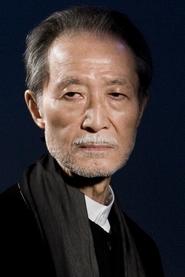
Yoshida grew close to Ozu Yasujiro during his time at Shochiku, where he was able to observe the legendary master at work. Although Yoshida and his generation outspokenly rejected the values of Ozu, Kurosawa and the older humanist filmmakers, over the years Yoshida found himself increasingly drawn back to Ozu’s films, fascinated by their unique rigor, formal language and delicate balance between comedy and tragedy. For Japanese television, Yoshida adapted his own text into a four part documentary, which he also condensed into the one hour version.
AI Spotlight
Cast
Creators
You might also like
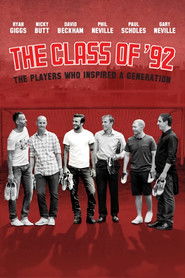
The Class of ‘92
2013
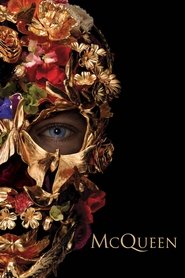
McQueen
2018

Ex Libris: The New York Public Library
2017
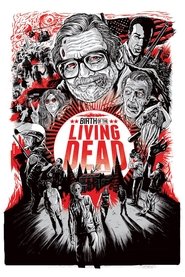
Birth of the Living Dead
2013

Champs
2015
A Plastic Ocean
2016
Public Speaking
2011

Anna Nicole Smith: You Don't Know Me
2023
Heart of a Dog
2015
American Boy: A Profile of Steven Prince
1978
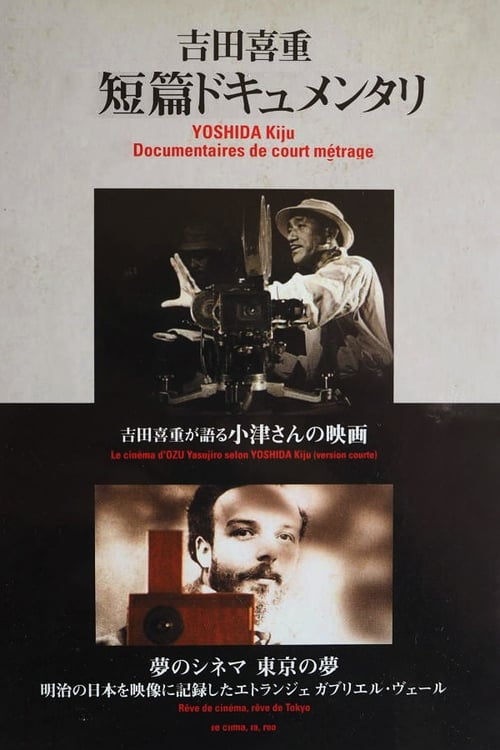
The Cinema of Ozu According to Kiju Yoshida
吉田喜重が語る小津さんの映画
The Cinema of Ozu According to Kiju Yoshida
吉田喜重が語る小津さんの映画
Where to Watch
Available platforms
Not available on VOD in your region.
⚠ Availability may change. Data provided by JustWatch via TMDB.
Classic overview
Yoshida grew close to Ozu Yasujiro during his time at Shochiku, where he was able to observe the legendary master at work. Although Yoshida and his generation outspokenly rejected the values of Ozu, Kurosawa and the older humanist filmmakers, over the years Yoshida found himself increasingly drawn back to Ozu’s films, fascinated by their unique rigor, formal language and delicate balance between comedy and tragedy. For Japanese television, Yoshida adapted his own text into a four part documentary, which he also condensed into the one hour version.
AI Spotlight
Cast
Creators
You might also like
The Class of ‘92
2013
McQueen
2018
Ex Libris: The New York Public Library
2017
Birth of the Living Dead
2013
Champs
2015
A Plastic Ocean
2016
Public Speaking
2011
Anna Nicole Smith: You Don't Know Me
2023
Heart of a Dog
2015
American Boy: A Profile of Steven Prince
1978
The Cinema of Ozu According to Kiju Yoshida
吉田喜重が語る小津さんの映画
Where to Watch
Available platforms
Not available on VOD in your region.
⚠ Availability may change. Data provided by JustWatch via TMDB.
Classic overview
Yoshida grew close to Ozu Yasujiro during his time at Shochiku, where he was able to observe the legendary master at work. Although Yoshida and his generation outspokenly rejected the values of Ozu, Kurosawa and the older humanist filmmakers, over the years Yoshida found himself increasingly drawn back to Ozu’s films, fascinated by their unique rigor, formal language and delicate balance between comedy and tragedy. For Japanese television, Yoshida adapted his own text into a four part documentary, which he also condensed into the one hour version.
AI Spotlight
Cast
Creators
You might also like
The Class of ‘92
2013
McQueen
2018
Ex Libris: The New York Public Library
2017
Birth of the Living Dead
2013
Champs
2015
A Plastic Ocean
2016
Public Speaking
2011
Anna Nicole Smith: You Don't Know Me
2023
Heart of a Dog
2015
American Boy: A Profile of Steven Prince
1978